





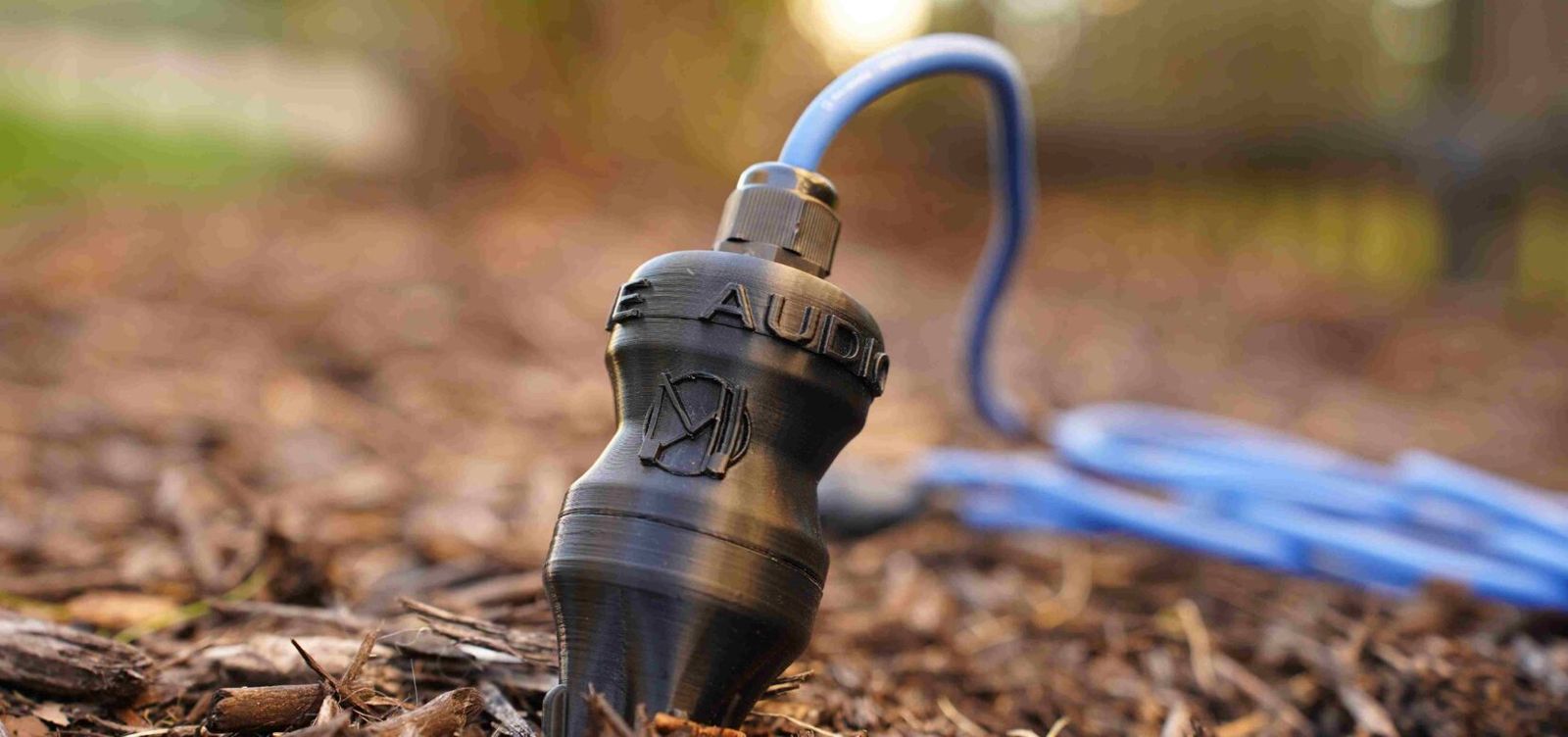
Nature sound recording doesn't stop at what our ears can hear. Beneath the surface of a pond, in the soil of a forest or in the ice of a lake, there's a lot going on! With a hydrophone and a geophone, you can listen to it and record it. Every outing is different, and everyone finds their own playgrounds.
Underwater recording with the hydrophone
Water carries sound very well: about 4 times faster than air, and much further. Many aquatic animals use it to communicate.
At sea
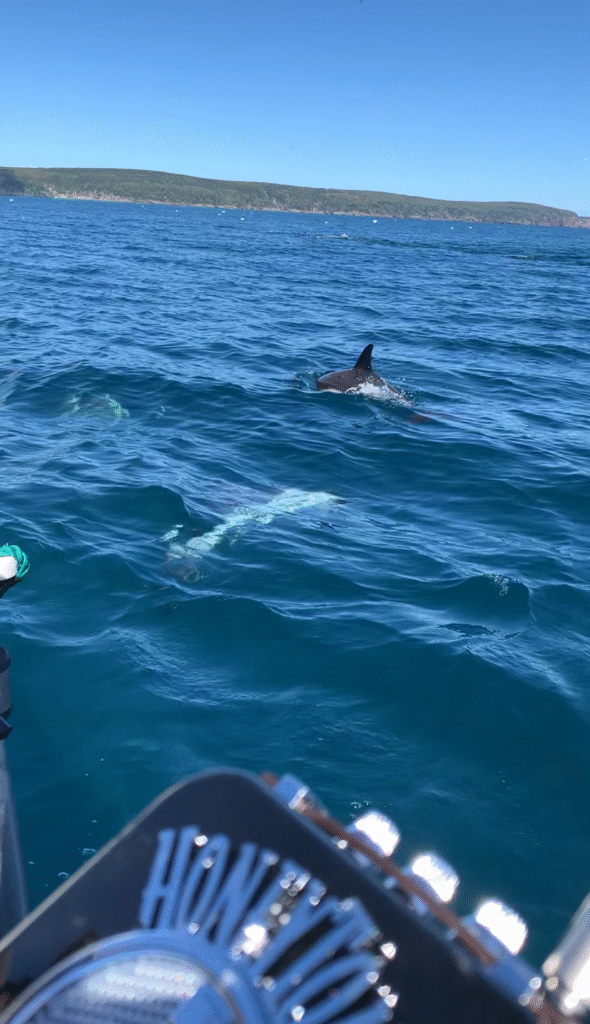
This is the most spectacular. Gaby Muñoz, a Colombian filmmaker based in Barcelona, took our hydrophone offshore with pilot whales. Corto SPM listened to a pod of dolphins from his boat, with a small HoneyTone Amp.

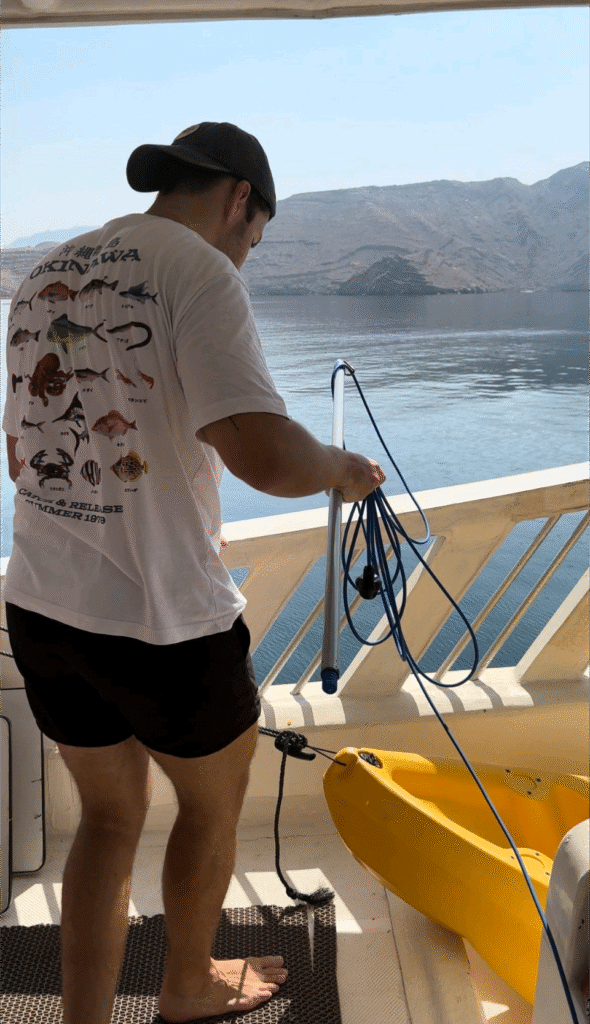
For this kind of outing, go for the 8-metre version: from a boat, the cable runs out fast!
Fish coming to nibble
It's the accessory people often forget: the Bait. Slip some bait into its cavity, lower the hydrophone to the bottom of a pond, a harbour or a river, and listen to the fish come and nibble all around. No need to go far to have life in your headphones!

In marshes
Allan Linares recorded the bubbles of a salt marsh releasing gas at low tide. Gurgles, bubbles, trickles: a marsh draining at low tide has a lot to say.

In rivers
The current, pebbles rolling along the bottom… Frantz Loriot carried out a whole recording project along the Sihl, a Swiss river. With the Float, the hydrophone stays just below the surface; with its weight, it goes down to the bottom.

Underground recording with the geophone
The geophone listens to what travels through soil, wood or ice. It goes down to 5 Hz, into lows the ear can barely perceive.
The earth
Planted in the ground with its Ground Spike, it lets you hear what travels beneath your feet: distant rumbles, knocks, everything that makes the earth around you vibrate.

Trees
Wedged against a trunk, it lets you hear the wood at work: creaks as the wind bends the tree, branches rubbing together.

Ice
On a frozen lake, a glacier or an iceberg, ice cracks, snaps and resonates. Laid flat, the geophone listens to those cracks from the inside.

Please note: in its standard version, the geophone is not waterproof. Keep it dry, and use the hydrophone for anything that happens in water. A waterproof version of the geophone is coming soon!
A few common-sense rules
- Keep your distance from animals, especially marine mammals: we listen, we don't disturb.
- Check the rules for protected areas before recording there.
- Switch off the boat engine if you can: underwater, it's all you'll hear.
- Move as little as possible: the slightest cable rub can be heard.
- After the sea, rinse the hydrophone in fresh water.
All our tips for looking after your hydrophone
Your questions about nature sound recording
Which microphone for recording dolphins or whales?
The hydrophone, in the 8-metre version for some slack from a boat. To listen live without recording, a small amp like the HoneyTone Amp is enough.
Can you hear fish?
Yes! With the Bait accessory, fish come and nibble right next to the hydrophone.
Is the geophone sensitive to moisture?
The standard version isn't waterproof: keep it dry, especially on ice or wet grass. A waterproof version is coming soon.
And everyone else?
The same microphones are also used for plenty of other things:
- Our microphones for sound designers : bubbles, fizzing aspirin, heartbeats, sand maracas.
- Our hydrophones and geophones for artists : sound installations and performances.
- Our microphones for musicians : samples, water and instruments heard differently.
Ready to record?
Nature is waiting for you! The hydrophone is available from €79.99, the geophone from €129.99. Both are handmade in France and tested before shipping.