



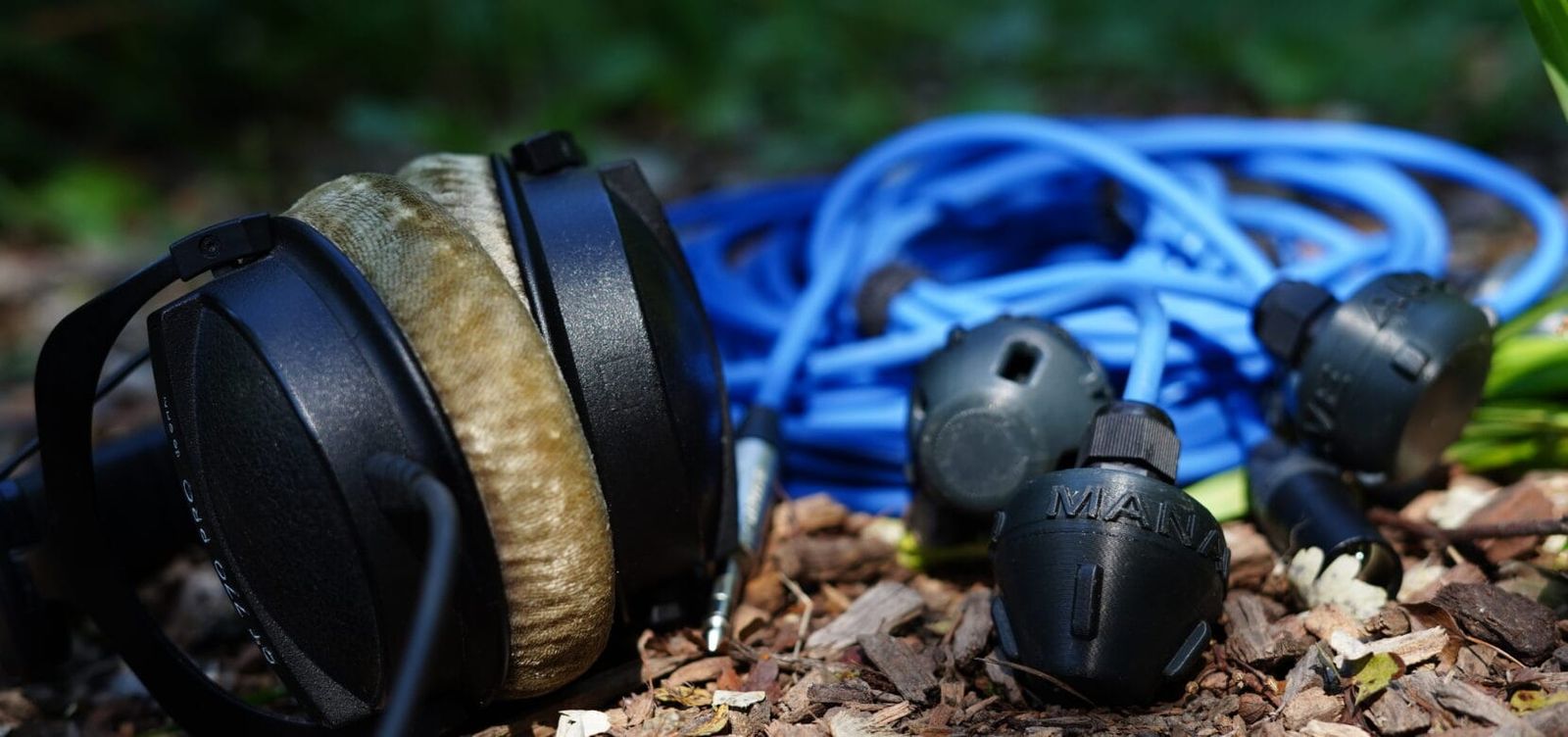
A hydrophone and a geophone in a home studio? Yes! The hydrophone in music means water becoming an instrument; the geophone means hearing an instrument through its vibrations. To find a sound that's truly yours, there's nothing like going to get it where other microphones hear nothing. Here are a few ideas in brief, to adapt your own way.
Samples nobody else has
Like sound designers, record your own textures: bubbles, fizzing aspirin, rain on a pond, vibrating metal. And for homemade percussion, fill the Float with sand or small pebbles: it becomes a maraca! Run through a sampler, these sounds turn into rhythms, pads or effects.
More sound ideas for sound design
The hydrophone in music: water as an instrument
- Strike a gong or a cymbal, then dip it into water while it's still ringing: the note slides, and the hydrophone catches it all.
- A basin of water and a few objects become an aquatic drum kit.
- Drops, bubbles, a trickle of water: enough to build an organic rhythm.

The geophone: hearing an instrument differently
Placed against the body of a guitar, a kalimba or a drum, the geophone picks up the vibrations of the wood and skin rather than the sound in the air. A different sound, to blend with a classic take or to use on its own.
As we say on our geophone page: “From a heartbeat to a guitar, the options are endless!” And a heartbeat recorded with the geophone makes a surprising rhythm.
Please note: in its standard version, the geophone is not waterproof. Keep it dry, and use the hydrophone for anything that happens in water. A waterproof version of the geophone is coming soon!

Drawing inspiration from nature and the stage
Many musicians also come looking for the atmosphere of a place: a river, a forest, the ice of a lake. And on stage, the hydrophone and the geophone find their way into performances and installations. LaScience, for example, released “Josh's heart”, a track from the album Weekly Beats 2024 featured in our community.
Your questions
Can you record a guitar with a geophone?
Yes, placed against the guitar's body, it picks up the vibrations of the wood. It's a very different sound from a regular microphone, to try on its own or alongside one.
Is the hydrophone useful in the studio?
Yes, wherever there's water: a basin, a bucket, an aquarium. Handy for creating textures and percussion.
And everyone else?
The same microphones are also used for plenty of other things:
- Our microphones for sound designers : bubbles, fizzing aspirin, heartbeats, sand maracas.
- Our microphones for nature recordists : dolphins, nibbling fish, marshes, cracking ice and trees.
- Our hydrophones and geophones for artists : sound installations and performances.
Ready to record?
There might be a track sleeping in your basin! The hydrophone is available from €79.99, the geophone from €129.99. Both are handmade in France and tested before shipping.
- See the hydrophone versions and prices
- See the geophone versions and prices
- Hydrophone: what is it and how to choose one?
Sources
The specifications of our microphones come from our own measurements and product sheets. For everything else, here are the references this article is based on.