





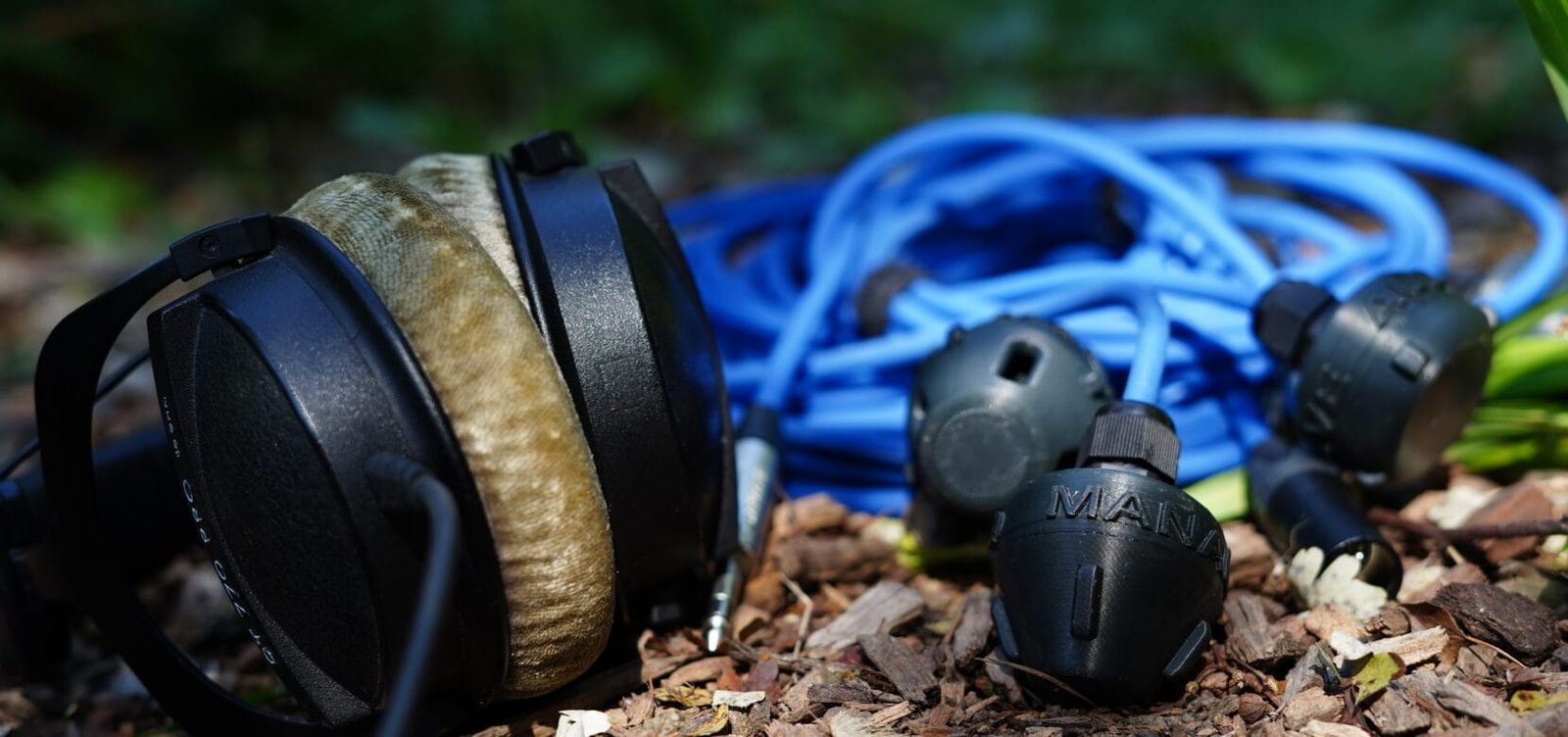
A hydrophone and a geophone in a home studio? Yes! The hydrophone in music means water becoming an instrument; the geophone means hearing an instrument through its vibrations. To find a sound that's truly yours, there's nothing like going to get it where other microphones hear nothing. Here are a few ideas in brief, to adapt your own way.
Samples nobody else has
Like sound designers, record your own textures: bubbles, fizzing aspirin, rain on a pond, vibrating metal. And for homemade percussion, fill the Float with sand or small pebbles: it becomes a maraca! Run through a sampler, these sounds turn into rhythms, pads or effects.
More sound ideas for sound design
The hydrophone in music: water as an instrument
- Strike a gong or a cymbal, then dip it into water while it's still ringing: the note slides, and the hydrophone catches it all.
- A basin of water and a few objects become an aquatic drum kit.
- Drops, bubbles, a trickle of water: enough to build an organic rhythm.

The geophone: hearing an instrument differently
Placed against the body of a guitar, a kalimba or a drum, the geophone picks up the vibrations of the wood and skin rather than the sound in the air. A different sound, to blend with a classic take or to use on its own.
As we say on our geophone page: “From a heartbeat to a guitar, the options are endless!” And a heartbeat recorded with the geophone makes a surprising rhythm.
Please note: in its standard version, the geophone is not waterproof. Keep it dry, and use the hydrophone for anything that happens in water. A waterproof version of the geophone is coming soon!

Drawing inspiration from nature and the stage
Many musicians also come looking for the atmosphere of a place: a river, a forest, the ice of a lake. And on stage, the hydrophone and the geophone find their way into performances and installations. LaScience, for example, released “Josh's heart”, a track from the album Weekly Beats 2024 featured in our community.
Your questions
Can you record a guitar with a geophone?
Yes, placed against the guitar's body, it picks up the vibrations of the wood. It's a very different sound from a regular microphone, to try on its own or alongside one.
Is the hydrophone useful in the studio?
Yes, wherever there's water: a basin, a bucket, an aquarium. Handy for creating textures and percussion.
And everyone else?
The same microphones are also used for plenty of other things:
- Our microphones for sound designers : bubbles, fizzing aspirin, heartbeats, sand maracas.
- Our microphones for nature recordists : dolphins, nibbling fish, marshes, cracking ice and trees.
- Our hydrophones and geophones for artists : sound installations and performances.
Ready to record?
There might be a track sleeping in your basin! The hydrophone is available from €79.99, the geophone from €129.99. Both are handmade in France and tested before shipping.